language
English
العربية
বাংলাদেশ
Български
Hrvatski
Česky
Dansk
Nederland
 Esperanto
Slovenski
Filipino
Suomi
Français
Maori
 Shqiptare
Georgian
 Euskara
Deutsch
Ελλάδα
ישראל
इंडिया
Magyarország
Ísland
Indonesia
Irlanda
Italia
日本語
Sovensko
Հայաստան
한국
Kyrgyz
ປະເທດລາວ
 Zulu
Latvian
Lithuanian
Luxembourgish
 Latinus
Macedonian
Малайская
Maltese
Монгол улс
 Cymraeg
ဗမာ
 தமிழ்
नेपाल
Norge
ایران
Polska
Portugal
România
Российская
Србија
 Slovak
Србија
 Slovak
Bosanski
Slovenian
Беларус
España
Sverige
Точик
ประเทศไทย
Türk
Azərbaycan
Uzbek
 Afrikaans
Việt Nam

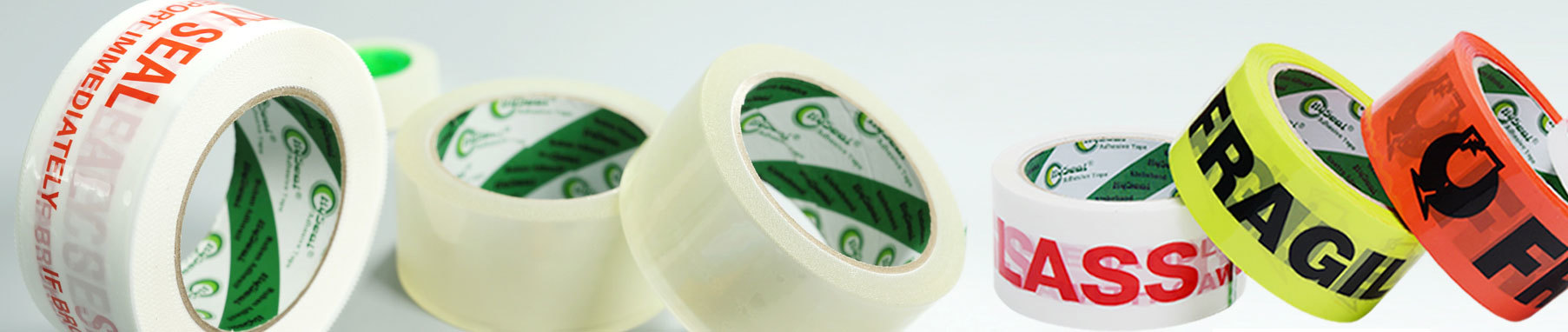
The Essential Guide to Stationery Tape for Professionals in the Light Industry
Introduction:
Stationery tape, an indispensable tool in the light industry, plays a crucial role in the labeling, taping, and adhesive needs of professionals. Whether you are involved in packaging, organizing, or DIY projects, understanding the different aspects of stationery tape is essential for optimal productivity. In this guide, we will explore the various types and uses of stationery tape, as well as provide useful tips on its application.
1. Types of Stationery Tape:
- Transparent Tape: This versatile tape is perfect for everyday use, providing a clear and reliable adhesive solution for sealing envelopes, wrapping gifts, or mending torn paper.
- Masking Tape: With its easy-to-tear nature, masking tape is ideal for labeling, bundling, and temporary fixes. It offers good adhesion and can be easily removed without leaving residue.
- Double-sided Tape: This tape is a valuable tool for creating seamless presentations, mounting posters, or crafting projects. Its adhesive properties on both sides make it invisible once applied.
- Colored Tape: Adding a touch of creativity, colored tape is perfect for color-coding, creating borders, and adding decorative elements to projects. It is available in various colors and widths.
2. Common Uses of Stationery Tape:
- Packaging and Shipping: Stationery tape ensures secure sealing of boxes, ensuring the safety of the contents during transit.
- Office Organization: Use stationery tape to label folders, bins, and shelves, enabling easy identification and efficient organization.
- Gift Wrapping: With its clean finish, stationery tape provides a neat and professional look to gift-wrapped packages.
- Creative Projects: Whether it's scrapbooking, card-making, or DIY crafts, stationery tape offers endless possibilities for adding unique elements to your projects.
3. Tips for Applying Stationery Tape:
- Clean Surface: Ensure the surface is clean and dry before applying the tape to achieve maximum adhesion.
- Proper Cutting: Use a sharp pair of scissors or a tape dispenser to cut the tape cleanly, preventing uneven edges.
- Removing Residue: In case of accidental tape residue, gently rub it with a small amount of rubbing alcohol or adhesive remover to eliminate any marks.
Conclusion:
Stationery tape is an essential tool for professionals in the light industry, providing a reliable adhesive solution for various applications. By understanding the different types and uses of stationery tape, as well as adopting proper application techniques, you can enhance your productivity and achieve optimal results in packaging, organizing, and creative projects. Choose the right tape for your specific needs and experience the convenience and versatility it brings to your daily work life.
Previous
Related Blog
Nwes
Product List
Product Enquiry
 DONGGUAN HYSEAL CO., LTD
 Baolian Ind. Park, Gaobu,
Dongguan 523282,
Guangdong, China +86-769-81300836
 +86-769-81300830
 seven@hyseal.com
