language
English
العربية
বাংলাদেশ
Български
Hrvatski
Česky
Dansk
Nederland
 Esperanto
Slovenski
Filipino
Suomi
Français
Maori
 Shqiptare
Georgian
 Euskara
Deutsch
Ελλάδα
ישראל
इंडिया
Magyarország
Ísland
Indonesia
Irlanda
Italia
日本語
Sovensko
Հայաստան
한국
Kyrgyz
ປະເທດລາວ
 Zulu
Latvian
Lithuanian
Luxembourgish
 Latinus
Macedonian
Малайская
Maltese
Монгол улс
 Cymraeg
ဗမာ
 தமிழ்
नेपाल
Norge
ایران
Polska
Portugal
România
Российская
Србија
 Slovak
Србија
 Slovak
Bosanski
Slovenian
Беларус
España
Sverige
Точик
ประเทศไทย
Türk
Azərbaycan
Uzbek
 Afrikaans
Việt Nam

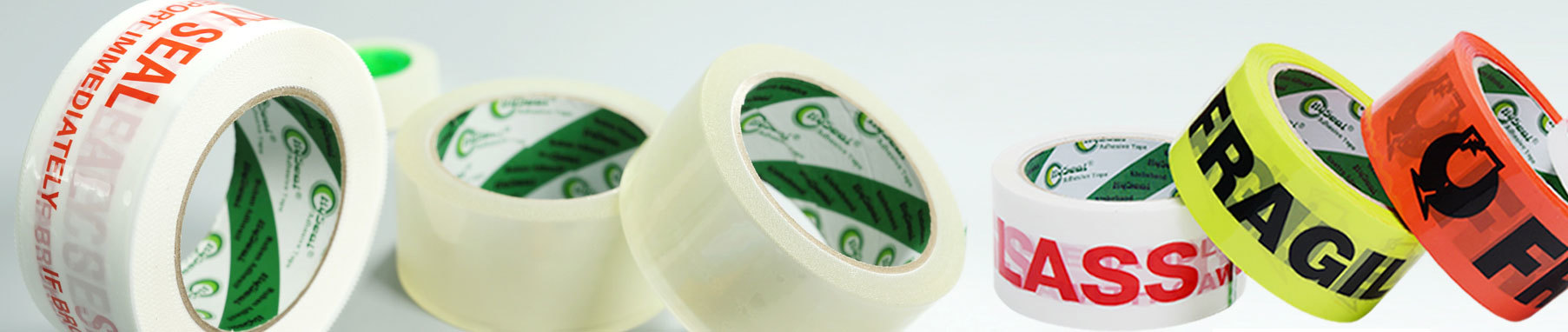
Insulation Tape: A Comprehensive Guide to its Uses and Benefits in the Light Industrial Products Industry
Insulation tape is a crucial component in the light industrial products industry, specifically in the realm of labels, tapes, and adhesive products. This article aims to provide a comprehensive guide to insulation tape, exploring its various applications, advantages, and technical knowledge.
1. Understanding Insulation Tape
Insulation tape, also known as electrical tape, is a type of pressure-sensitive tape widely used in electrical and mechanical applications. Typically made of vinyl material, insulation tape offers excellent insulation properties, electrical resistance, and other key characteristics essential for its applications.
2. Versatile Applications
Insulation tape finds utility in a range of applications within the light industrial products industry. It serves as a protective covering for electrical wires and cables, preventing electrical shocks and short circuits. Additionally, it is commonly used for bundling wires, harnessing cables, and marking components.
3. Electrical Insulation Properties
One of the primary functions of insulation tape is to provide electrical insulation. Its vinyl composition helps to insulate and protect electrical connections, ensuring safety and preventing current leakages. Insulation tape's ability to withstand high voltages and temperatures makes it a reliable choice for electrical applications.
4. Mechanical Protection
Apart from electrical insulation, insulation tape also offers mechanical protection. It acts as a barrier against moisture, dust, and other contaminants, safeguarding electrical connections from external factors that could compromise their performance or lifespan.
5. Color Coding and Marking
Insulation tape comes in a variety of colors, allowing for efficient color coding and marking of wires and cables. This enables easy identification and organization of different electrical circuits, simplifying troubleshooting, repairs, and maintenance tasks.
6. Flexibility and Conformability
Insulation tape possesses excellent flexibility and conformability, allowing it to wrap around irregular shapes and contours seamlessly. This property ensures a secure and tight fit, providing enhanced protection and insulation for complex electrical connections.
7. Easy Application and Removal
Insulation tape is designed for easy application and removal. Its pressure-sensitive adhesive allows for quick, hassle-free installation, while also enabling easy removal without leaving residue or damaging underlying surfaces.
8. Safety Considerations
While insulation tape offers numerous benefits, it is essential to follow safety guidelines when working with electrical connections. Ensure that the tape is applied correctly, covering all exposed conductive parts, and avoid overlapping or stretching the tape excessively, as it may compromise its insulation properties.
In conclusion, insulation tape plays a crucial role in the light industrial products industry, specifically within the labels, tapes, and adhesive products sector. Its versatile applications, electrical insulation properties, mechanical protection, and ease of use make it an indispensable component in various electrical and mechanical applications. By understanding the uses and benefits of insulation tape, professionals in the industry can make informed decisions regarding its selection and application, enhancing both safety and performance in their projects.
Related Blog
Nwes
Product List
Product Enquiry
 DONGGUAN HYSEAL CO., LTD
 Baolian Ind. Park, Gaobu,
Dongguan 523282,
Guangdong, China +86-769-81300836
 +86-769-81300830
 seven@hyseal.com
