language
English
العربية
বাংলাদেশ
Български
Hrvatski
Česky
Dansk
Nederland
 Esperanto
Slovenski
Filipino
Suomi
Français
Maori
 Shqiptare
Georgian
 Euskara
Deutsch
Ελλάδα
ישראל
इंडिया
Magyarország
Ísland
Indonesia
Irlanda
Italia
日本語
Sovensko
Հայաստան
한국
Kyrgyz
ປະເທດລາວ
 Zulu
Latvian
Lithuanian
Luxembourgish
 Latinus
Macedonian
Малайская
Maltese
Монгол улс
 Cymraeg
ဗမာ
 தமிழ்
नेपाल
Norge
ایران
Polska
Portugal
România
Российская
Србија
 Slovak
Србија
 Slovak
Bosanski
Slovenian
Беларус
España
Sverige
Точик
ประเทศไทย
Türk
Azərbaycan
Uzbek
 Afrikaans
Việt Nam

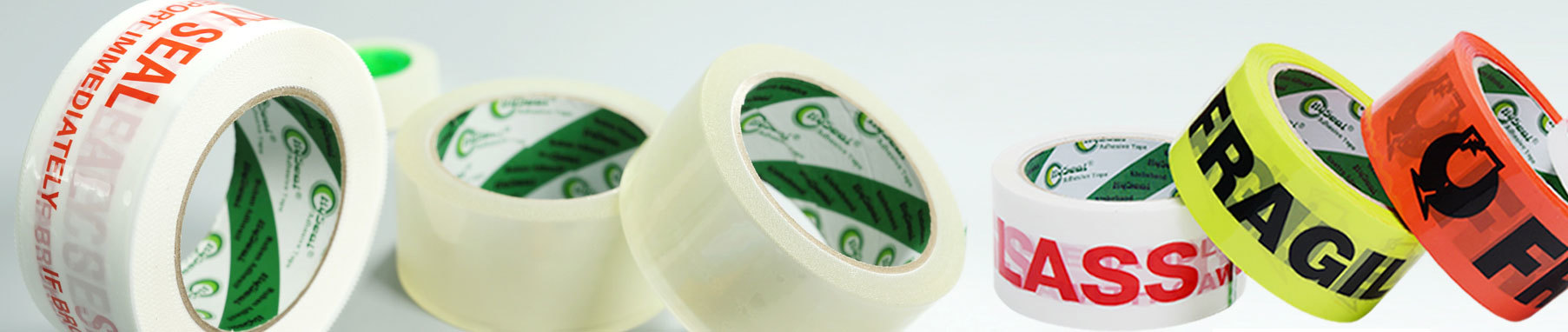
Insulation Tape: A Comprehensive Guide for the Light Industry
Insulation tape plays a vital role in the light industry, particularly in the realm of labels, tapes, and adhesive products. Its primary function is to provide electrical insulation and protection against various environmental factors. Let's delve into the world of insulation tape, exploring its uses, types, and benefits.
Uses of Insulation Tape:
1. Electrical Insulation: Insulation tape is commonly used to insulate electrical wires, preventing short circuits and ensuring the safety of electrical connections. It acts as a barrier against moisture, dust, and other contaminants, reducing the risk of electrical failures.
2. Wire Identification: With a wide range of colors available, insulation tape is used for wire identification and color-coding, allowing easy recognition and organization of different circuits or cables.
3. Bundling and Securing: Insulation tape is an excellent choice for bundling wires or cables together, providing a neat and organized appearance. It also offers a secure grip, keeping the bundled items in place.
Types of Insulation Tape:
1. PVC Insulation Tape: This is the most common type of insulation tape, known for its excellent electrical insulation properties. PVC tape is durable, resistant to moisture, and provides good adhesive strength. It is available in various colors, allowing for easy identification.
2. Rubber Insulation Tape: Suitable for applications involving high voltage and high-temperature environments, rubber insulation tape offers superior electrical insulation capabilities. It is highly flexible and provides excellent sealing properties, making it an ideal choice for splicing and terminating cables.
3. Self-Fusing Silicone Tape: This type of insulation tape is primarily used for sealing and repairing purposes. It fuses to itself upon application, creating a strong and waterproof seal. Self-fusing silicone tape is resistant to high temperatures, UV radiation, and chemical exposure.
Benefits of Insulation Tape:
1. Safety: Insulation tape provides a crucial layer of protection, reducing the risk of electrical hazards, short circuits, and potential accidents. It ensures the safety of both individuals and equipment.
2. Versatility: With a wide range of colors, sizes, and types available, insulation tape offers versatility in various applications, catering to specific industry requirements.
3. Cost-Effective: Insulation tape is an affordable solution for electrical insulation and identification needs. Its long-lasting properties and durability make it a cost-effective choice for the light industry.
Remember, when working with insulation tape, always follow industry best practices and safety guidelines. Proper installation and maintenance are essential for maximizing the benefits of insulation tape.
In conclusion, insulation tape is a crucial component in the light industry, particularly in the field of labels, tapes, and adhesive products. Its electrical insulation properties, wire identification capabilities, and bundling features make it an indispensable tool. Understanding the uses, types, and benefits of insulation tape empowers professionals in the industry to make informed decisions and ensure the safety and efficiency of their electrical systems.
Previous
Related Blog
Nwes
Product List
Product Enquiry
 DONGGUAN HYSEAL CO., LTD
 Baolian Ind. Park, Gaobu,
Dongguan 523282,
Guangdong, China +86-769-81300836
 +86-769-81300830
 seven@hyseal.com
