language
English
العربية
বাংলাদেশ
Български
Hrvatski
Česky
Dansk
Nederland
 Esperanto
Slovenski
Filipino
Suomi
Français
Maori
 Shqiptare
Georgian
 Euskara
Deutsch
Ελλάδα
ישראל
इंडिया
Magyarország
Ísland
Indonesia
Irlanda
Italia
日本語
Sovensko
Հայաստան
한국
Kyrgyz
ປະເທດລາວ
 Zulu
Latvian
Lithuanian
Luxembourgish
 Latinus
Macedonian
Малайская
Maltese
Монгол улс
 Cymraeg
ဗမာ
 தமிழ்
नेपाल
Norge
ایران
Polska
Portugal
România
Российская
Србија
 Slovak
Србија
 Slovak
Bosanski
Slovenian
Беларус
España
Sverige
Точик
ประเทศไทย
Türk
Azərbaycan
Uzbek
 Afrikaans
Việt Nam

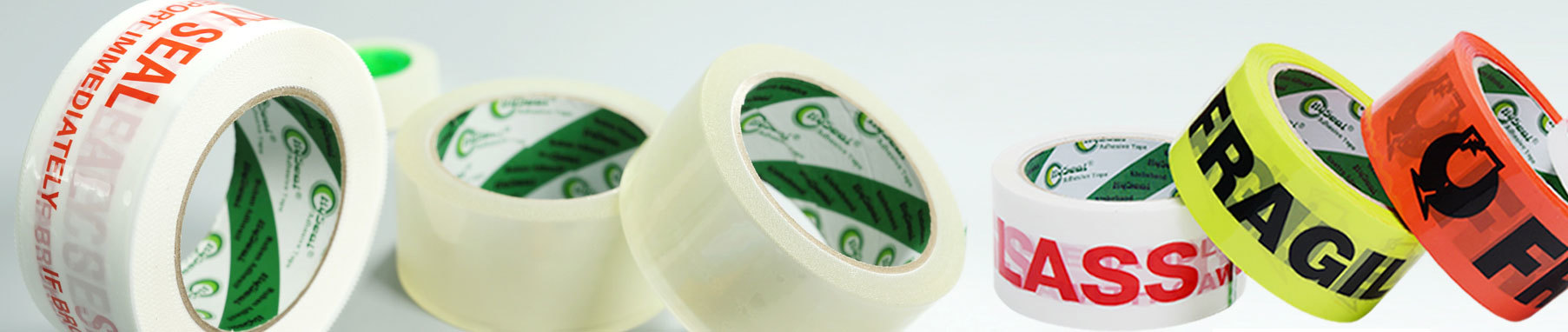
How to Choose the Right Masking Tape for Your DIY Projects
Table of Contents:
1. Introduction: Understanding the Importance of Masking Tape in DIY Projects
2. Types of Masking Tape: Exploring the Different Varieties Available
3. Key Factors to Consider When Choosing Masking Tape for Your DIY Projects
4. Tips for Selecting the Right Masking Tape for Specific DIY Tasks
5. Frequently Asked Questions (FAQs) About Choosing Masking Tape
6. Conclusion: Making the Right Choice for Your DIY Projects
---
1. Introduction: Understanding the Importance of Masking Tape in DIY Projects
Masking tape is an essential tool in any DIY enthusiast's arsenal. It acts as a temporary adhesive, allowing you to attach materials together without causing any permanent damage. In this article, we will guide you through the process of choosing the right masking tape for your DIY projects. Whether you are working on painting, crafting, or any other task, selecting the appropriate masking tape is crucial for achieving professional-looking results.
---
2. Types of Masking Tape: Exploring the Different Varieties Available
When it comes to masking tape, there are several types to choose from. Each type is designed for specific purposes, ensuring optimal performance in different DIY tasks. Let's take a closer look at some of the most commonly used masking tape varieties:
2.1 General Purpose Masking Tape
General purpose masking tape is the most versatile option for DIY projects. It is suitable for a wide range of applications, including painting, holding surfaces together, and securing lightweight materials. This type of tape is often easy to tear by hand, making it convenient to use.
2.2 Painter's Masking Tape
Painter's masking tape, also known as painter's tape, is specifically designed for use in painting projects. It offers excellent adhesion to smooth surfaces and can be easily removed without leaving any residue or damaging the painted surface. Painter's tape is available in different widths to accommodate various painting applications.
2.3 High-Temperature Masking Tape
If you're working on DIY projects that involve high temperatures, such as automotive repairs or soldering, high-temperature masking tape is essential. This type of tape is designed to withstand heat without melting or leaving any adhesive residue behind.
2.4 Low-Tack Masking Tape
Low-tack masking tape is ideal for delicate surfaces that require extra care. It has a gentle adhesive that can be easily removed without causing any damage or leaving any residue. This type of tape is commonly used in crafts, artwork, and other projects where preserving the integrity of the surface is important.
---
3. Key Factors to Consider When Choosing Masking Tape for Your DIY Projects
Now that you are familiar with the different types of masking tape available, let's explore the key factors you should consider when selecting the right option for your DIY projects:
3.1 Adhesive Strength
The adhesive strength of masking tape varies depending on the type. Consider the surface you will be applying the tape to and the level of adhesion required. For example, if you are working on a delicate surface, opt for a low-tack masking tape to prevent any damage.
3.2 Surface Compatibility
Different masking tapes are designed to adhere to specific surfaces. Ensure that the tape you choose is compatible with the surface you will be working on. For instance, painter's tape is suitable for smooth surfaces, while high-temperature masking tape is designed for heat-resistant applications.
3.3 Duration of Use
Consider the duration for which you will need the masking tape to adhere to the surface. Some tapes are designed for short-term applications, while others can withstand longer periods. Choose accordingly based on the requirements of your DIY project.
3.4 Ease of Removal
Easy removal is crucial, especially if you want to avoid any damage or residue on the surface. Look for masking tapes that offer clean removal without leaving any adhesive traces behind.
3.5 Durability and Weather Resistance
If your DIY project involves outdoor applications or exposure to varying weather conditions, consider a masking tape that is durable and weather-resistant. This will ensure that the tape remains intact and provides reliable performance in different environments.
---
4. Tips for Selecting the Right Masking Tape for Specific DIY Tasks
Choosing the right masking tape for specific DIY tasks can enhance your project's efficiency and overall results. Here are some tips to help you make the right selection:
4.1 Painting Projects
For painting projects, opt for painter's tape specifically designed for this purpose. Look for tape that offers clean removal without damaging the painted surface. Consider the width of the tape based on the size of the area you need to mask off.
4.2 Crafting and Scrapbooking
When working on crafts and scrapbooking, low-tack masking tape is an ideal choice. It allows for easy repositioning and clean removal without damaging delicate materials such as paper, fabric, or photographs.
4.3 High-Temperature Applications
If you're working on DIY projects involving high temperatures, choose high-temperature masking tape that can withstand the heat without melting or leaving any residue. Make sure the tape is suitable for the specific temperature range you will be working with.
4.4 Outdoor Projects
For outdoor projects or applications exposed to varying weather conditions, opt for masking tape that is durable and weather-resistant. This will ensure that the tape remains effective and intact, even in challenging environments.
4.5 Delicate Surfaces
When working on delicate surfaces, such as freshly painted walls, opt for low-tack masking tape to prevent any damage or residue. Test the tape on a small, inconspicuous area before applying it to the entire surface.
---
5. Frequently Asked Questions (FAQs) About Choosing Masking Tape
Here are some frequently asked questions about choosing masking tape for DIY projects:
Q1: Can I reuse masking tape?
A1: While some masking tapes can be reused, it is generally not recommended. Reusing the tape may result in decreased adhesion and compromised performance.
Q2: How long can masking tape be left on?
A2: The duration for which masking tape can be left on varies depending on the type and surface. Refer to the manufacturer's instructions for specific guidelines. In general, it is best to remove masking tape within 24 to 48 hours to prevent any residue or damage.
Q3: Can I use masking tape for outdoor projects?
A3: Yes, there are masking tapes available specifically designed for outdoor applications. Look for tapes that are durable and weather-resistant to ensure they can withstand outdoor conditions.
Q4: Can masking tape be used on delicate surfaces?
A4: Yes, low-tack masking tape is suitable for delicate surfaces as it offers gentle adhesion and can be easily removed without causing damage.
Q5: Is masking tape suitable for high-temperature applications?
A5: Yes, there are masking tapes designed to withstand high temperatures. These tapes are commonly used in automotive repairs, soldering, and other tasks involving heat.
---
6. Conclusion: Making the Right Choice for Your DIY Projects
Choosing the right masking tape for your DIY projects is crucial for achieving professional-looking results. Consider factors such as adhesive strength, surface compatibility, ease of removal, duration of use, and durability to select the most suitable tape for your task. By understanding the various types and their specific applications, you can confidently choose the right masking tape for each DIY project, ensuring optimal performance and a successful outcome.
1. Introduction: Understanding the Importance of Masking Tape in DIY Projects
2. Types of Masking Tape: Exploring the Different Varieties Available
3. Key Factors to Consider When Choosing Masking Tape for Your DIY Projects
4. Tips for Selecting the Right Masking Tape for Specific DIY Tasks
5. Frequently Asked Questions (FAQs) About Choosing Masking Tape
6. Conclusion: Making the Right Choice for Your DIY Projects
---
1. Introduction: Understanding the Importance of Masking Tape in DIY Projects
Masking tape is an essential tool in any DIY enthusiast's arsenal. It acts as a temporary adhesive, allowing you to attach materials together without causing any permanent damage. In this article, we will guide you through the process of choosing the right masking tape for your DIY projects. Whether you are working on painting, crafting, or any other task, selecting the appropriate masking tape is crucial for achieving professional-looking results.
---
2. Types of Masking Tape: Exploring the Different Varieties Available
When it comes to masking tape, there are several types to choose from. Each type is designed for specific purposes, ensuring optimal performance in different DIY tasks. Let's take a closer look at some of the most commonly used masking tape varieties:
2.1 General Purpose Masking Tape
General purpose masking tape is the most versatile option for DIY projects. It is suitable for a wide range of applications, including painting, holding surfaces together, and securing lightweight materials. This type of tape is often easy to tear by hand, making it convenient to use.
2.2 Painter's Masking Tape
Painter's masking tape, also known as painter's tape, is specifically designed for use in painting projects. It offers excellent adhesion to smooth surfaces and can be easily removed without leaving any residue or damaging the painted surface. Painter's tape is available in different widths to accommodate various painting applications.
2.3 High-Temperature Masking Tape
If you're working on DIY projects that involve high temperatures, such as automotive repairs or soldering, high-temperature masking tape is essential. This type of tape is designed to withstand heat without melting or leaving any adhesive residue behind.
2.4 Low-Tack Masking Tape
Low-tack masking tape is ideal for delicate surfaces that require extra care. It has a gentle adhesive that can be easily removed without causing any damage or leaving any residue. This type of tape is commonly used in crafts, artwork, and other projects where preserving the integrity of the surface is important.
---
3. Key Factors to Consider When Choosing Masking Tape for Your DIY Projects
Now that you are familiar with the different types of masking tape available, let's explore the key factors you should consider when selecting the right option for your DIY projects:
3.1 Adhesive Strength
The adhesive strength of masking tape varies depending on the type. Consider the surface you will be applying the tape to and the level of adhesion required. For example, if you are working on a delicate surface, opt for a low-tack masking tape to prevent any damage.
3.2 Surface Compatibility
Different masking tapes are designed to adhere to specific surfaces. Ensure that the tape you choose is compatible with the surface you will be working on. For instance, painter's tape is suitable for smooth surfaces, while high-temperature masking tape is designed for heat-resistant applications.
3.3 Duration of Use
Consider the duration for which you will need the masking tape to adhere to the surface. Some tapes are designed for short-term applications, while others can withstand longer periods. Choose accordingly based on the requirements of your DIY project.
3.4 Ease of Removal
Easy removal is crucial, especially if you want to avoid any damage or residue on the surface. Look for masking tapes that offer clean removal without leaving any adhesive traces behind.
3.5 Durability and Weather Resistance
If your DIY project involves outdoor applications or exposure to varying weather conditions, consider a masking tape that is durable and weather-resistant. This will ensure that the tape remains intact and provides reliable performance in different environments.
---
4. Tips for Selecting the Right Masking Tape for Specific DIY Tasks
Choosing the right masking tape for specific DIY tasks can enhance your project's efficiency and overall results. Here are some tips to help you make the right selection:
4.1 Painting Projects
For painting projects, opt for painter's tape specifically designed for this purpose. Look for tape that offers clean removal without damaging the painted surface. Consider the width of the tape based on the size of the area you need to mask off.
4.2 Crafting and Scrapbooking
When working on crafts and scrapbooking, low-tack masking tape is an ideal choice. It allows for easy repositioning and clean removal without damaging delicate materials such as paper, fabric, or photographs.
4.3 High-Temperature Applications
If you're working on DIY projects involving high temperatures, choose high-temperature masking tape that can withstand the heat without melting or leaving any residue. Make sure the tape is suitable for the specific temperature range you will be working with.
4.4 Outdoor Projects
For outdoor projects or applications exposed to varying weather conditions, opt for masking tape that is durable and weather-resistant. This will ensure that the tape remains effective and intact, even in challenging environments.
4.5 Delicate Surfaces
When working on delicate surfaces, such as freshly painted walls, opt for low-tack masking tape to prevent any damage or residue. Test the tape on a small, inconspicuous area before applying it to the entire surface.
---
5. Frequently Asked Questions (FAQs) About Choosing Masking Tape
Here are some frequently asked questions about choosing masking tape for DIY projects:
Q1: Can I reuse masking tape?
A1: While some masking tapes can be reused, it is generally not recommended. Reusing the tape may result in decreased adhesion and compromised performance.
Q2: How long can masking tape be left on?
A2: The duration for which masking tape can be left on varies depending on the type and surface. Refer to the manufacturer's instructions for specific guidelines. In general, it is best to remove masking tape within 24 to 48 hours to prevent any residue or damage.
Q3: Can I use masking tape for outdoor projects?
A3: Yes, there are masking tapes available specifically designed for outdoor applications. Look for tapes that are durable and weather-resistant to ensure they can withstand outdoor conditions.
Q4: Can masking tape be used on delicate surfaces?
A4: Yes, low-tack masking tape is suitable for delicate surfaces as it offers gentle adhesion and can be easily removed without causing damage.
Q5: Is masking tape suitable for high-temperature applications?
A5: Yes, there are masking tapes designed to withstand high temperatures. These tapes are commonly used in automotive repairs, soldering, and other tasks involving heat.
---
6. Conclusion: Making the Right Choice for Your DIY Projects
Choosing the right masking tape for your DIY projects is crucial for achieving professional-looking results. Consider factors such as adhesive strength, surface compatibility, ease of removal, duration of use, and durability to select the most suitable tape for your task. By understanding the various types and their specific applications, you can confidently choose the right masking tape for each DIY project, ensuring optimal performance and a successful outcome.
Related Blog
Nwes
Product List
Product Enquiry
 DONGGUAN HYSEAL CO., LTD
 Baolian Ind. Park, Gaobu,
Dongguan 523282,
Guangdong, China +86-769-81300836
 +86-769-81300830
 seven@hyseal.com
