language
English
العربية
বাংলাদেশ
Български
Hrvatski
Česky
Dansk
Nederland
 Esperanto
Slovenski
Filipino
Suomi
Français
Maori
 Shqiptare
Georgian
 Euskara
Deutsch
Ελλάδα
ישראל
इंडिया
Magyarország
Ísland
Indonesia
Irlanda
Italia
日本語
Sovensko
Հայաստան
한국
Kyrgyz
ປະເທດລາວ
 Zulu
Latvian
Lithuanian
Luxembourgish
 Latinus
Macedonian
Малайская
Maltese
Монгол улс
 Cymraeg
ဗမာ
 தமிழ்
नेपाल
Norge
ایران
Polska
Portugal
România
Российская
Србија
 Slovak
Србија
 Slovak
Bosanski
Slovenian
Беларус
España
Sverige
Точик
ประเทศไทย
Türk
Azərbaycan
Uzbek
 Afrikaans
Việt Nam

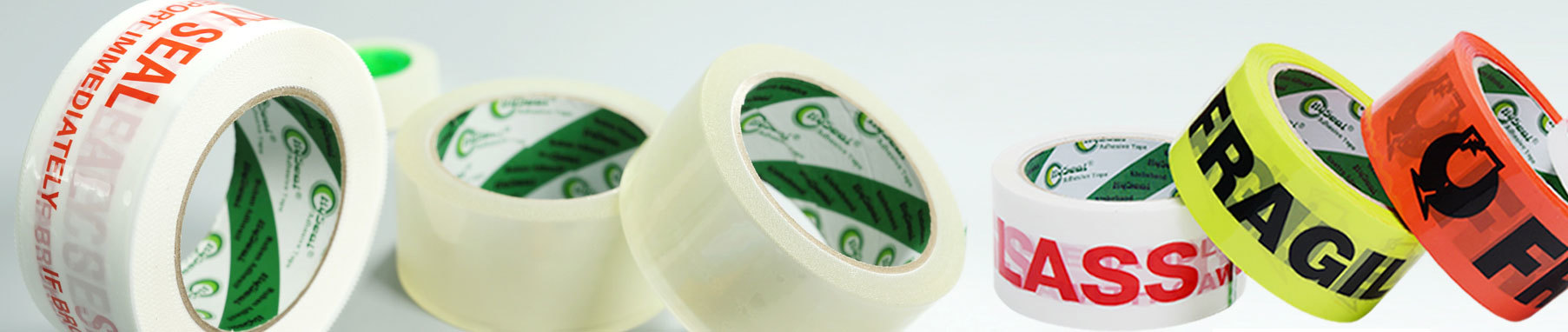
Barrier Tape: A Guide to Industrial Tape for Light Industrial Use
Barrier Tape: A Guide to Industrial Tape for Light Industrial Use
Introduction:
Barrier tape plays a crucial role in the light industrial sector, particularly in the labeling, taping, and adhesive products domain. This guide aims to provide a comprehensive overview of barrier tape, including its applications, benefits, and significance in the industry.
1. What is Barrier Tape?
Barrier tape, also known as caution tape or safety tape, is a type of industrial tape used to mark off restricted areas, identify potential hazards, and provide visual warnings. It is typically made of durable materials such as polyethylene and features bold, contrasting colors to ensure high visibility.
2. Applications of Barrier Tape:
Barrier tape finds extensive usage in various industries and settings. Some common applications include:
- Construction sites: Barrier tape helps demarcate hazardous zones, preventing unauthorized access and ensuring worker safety.
- Public events: It is widely used for crowd control, indicating restricted areas, and guiding people towards specific entrances or exits.
- Manufacturing facilities: Barrier tape helps designate specific areas for storage, machinery, or potential dangers, ensuring workplace safety.
- Roadwork and traffic control: It plays a vital role in directing traffic, preventing accidents, and guiding drivers during construction or repair work on roads.
3. Benefits of Barrier Tape:
Barrier tape offers several advantages, making it an indispensable tool in the light industrial sector. These benefits include:
- Enhanced safety: By clearly marking off dangerous or restricted areas, barrier tape reduces the risk of accidents and injuries.
- Improved communication: The bold colors and clear warning messages on barrier tape ensure effective communication, even from a distance.
- Easy installation: Barrier tape is lightweight, flexible, and easy to install, allowing for quick setup and removal as required.
- Cost-effective solution: As a cost-effective alternative to permanent barriers, barrier tape provides temporary demarcation without the need for construction or installation work.
4. Choosing the Right Barrier Tape:
When selecting barrier tape for your specific needs, consider the following factors:
- Durability: Ensure the tape is made of durable materials to withstand various weather conditions and potential wear and tear.
- Visibility: Opt for bright colors and clear, easily visible warning messages to maximize awareness and reduce the possibility of accidents.
- Adhesive strength: Depending on your requirements, choose a tape with appropriate adhesive strength to ensure it remains securely in place.
- Regulations and standards: In some industries, specific regulations or standards govern the use of barrier tape. Ensure compliance with relevant guidelines.
Conclusion:
Barrier tape plays a vital role in the light industrial sector, serving as a versatile tool for marking, warning, and guiding. Its applications range from construction sites to public events, and its benefits include enhanced safety, improved communication, easy installation, and cost-effectiveness. By understanding the significance of barrier tape and selecting the right type for your needs, you can ensure a safer and more organized work environment.
Related Blog
Nwes
Product List
Product Enquiry
 DONGGUAN HYSEAL CO., LTD
 Baolian Ind. Park, Gaobu,
Dongguan 523282,
Guangdong, China +86-769-81300836
 +86-769-81300830
 seven@hyseal.com
