language
English
العربية
বাংলাদেশ
Български
Hrvatski
Česky
Dansk
Nederland
 Esperanto
Slovenski
Filipino
Suomi
Français
Maori
 Shqiptare
Georgian
 Euskara
Deutsch
Ελλάδα
ישראל
इंडिया
Magyarország
Ísland
Indonesia
Irlanda
Italia
日本語
Sovensko
Հայաստան
한국
Kyrgyz
ປະເທດລາວ
 Zulu
Latvian
Lithuanian
Luxembourgish
 Latinus
Macedonian
Малайская
Maltese
Монгол улс
 Cymraeg
ဗမာ
 தமிழ்
नेपाल
Norge
ایران
Polska
Portugal
România
Российская
Србија
 Slovak
Србија
 Slovak
Bosanski
Slovenian
Беларус
España
Sverige
Точик
ประเทศไทย
Türk
Azərbaycan
Uzbek
 Afrikaans
Việt Nam

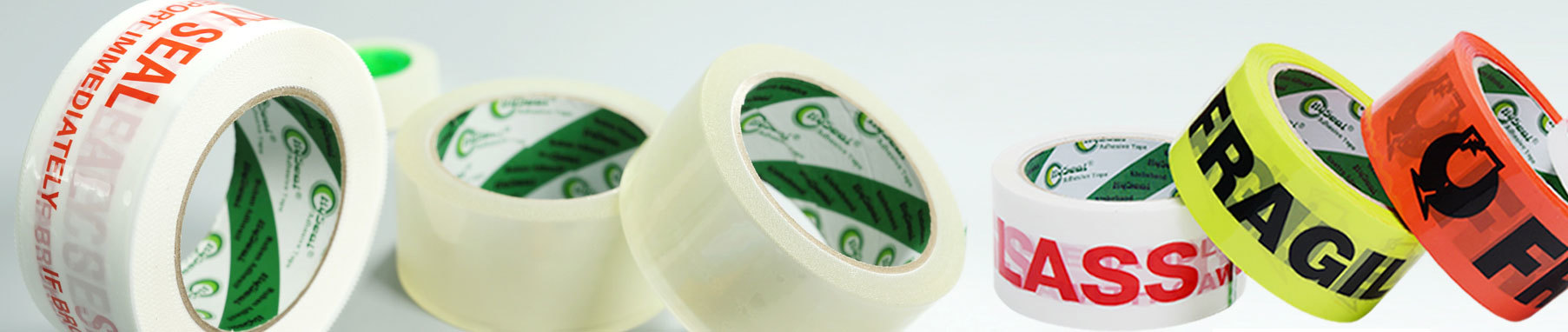
The Ultimate Guide to Stationery Tape in the Light Industry of Labels, Tapes, and Adhesive Products
Stationery tape, also known as adhesive tape or sticky tape, is a must-have item in the realm of labels, tapes, and adhesive products within the light industry of daily necessities. Its versatility and functionality make it an essential tool for various purposes. Here is a detailed breakdown of everything you need to know about stationery tape:
1. **Materials**: Stationery tape is typically made of a thin, transparent film of plastic coated with adhesive on one side. The most common types of materials used for stationery tape include polypropylene, polyester, and cellulose.
2. **Types**: There are several types of stationery tape available in the market, each designed for specific applications. Some common types include transparent tape, masking tape, double-sided tape, and washi tape.
3. **Uses**: Stationery tape has a wide range of uses, including packaging, sealing envelopes, gift wrapping, and crafting. It is also commonly used for temporary repairs, labeling, and marking items.
4. **Application Tips**: To ensure the best results when using stationery tape, make sure to clean the surface before applying the tape to ensure proper adhesion. Use a dispenser for easier handling and cutting, and press down firmly on the tape to secure it in place.
5. **Maintenance**: Proper storage is essential to maintain the quality of stationery tape. Store it in a cool, dry place away from direct sunlight to prevent the tape from drying out or losing its adhesive properties.
In conclusion, stationery tape plays a crucial role in the light industry of labels, tapes, and adhesive products. Understanding its materials, types, uses, application tips, and maintenance is essential for professionals working in this field. By following the guidelines outlined in this guide, you can maximize the efficiency and effectiveness of stationery tape in your daily operations.
Related Blog
Nwes
Product List
Product Enquiry
 DONGGUAN HYSEAL CO., LTD
 Baolian Ind. Park, Gaobu,
Dongguan 523282,
Guangdong, China +86-769-81300836
 +86-769-81300830
 seven@hyseal.com
