language
English
العربية
বাংলাদেশ
Български
Hrvatski
Česky
Dansk
Nederland
 Esperanto
Slovenski
Filipino
Suomi
Français
Maori
 Shqiptare
Georgian
 Euskara
Deutsch
Ελλάδα
ישראל
इंडिया
Magyarország
Ísland
Indonesia
Irlanda
Italia
日本語
Sovensko
Հայաստան
한국
Kyrgyz
ປະເທດລາວ
 Zulu
Latvian
Lithuanian
Luxembourgish
 Latinus
Macedonian
Малайская
Maltese
Монгол улс
 Cymraeg
ဗမာ
 தமிழ்
नेपाल
Norge
ایران
Polska
Portugal
România
Российская
Србија
 Slovak
Србија
 Slovak
Bosanski
Slovenian
Беларус
España
Sverige
Точик
ประเทศไทย
Türk
Azərbaycan
Uzbek
 Afrikaans
Việt Nam

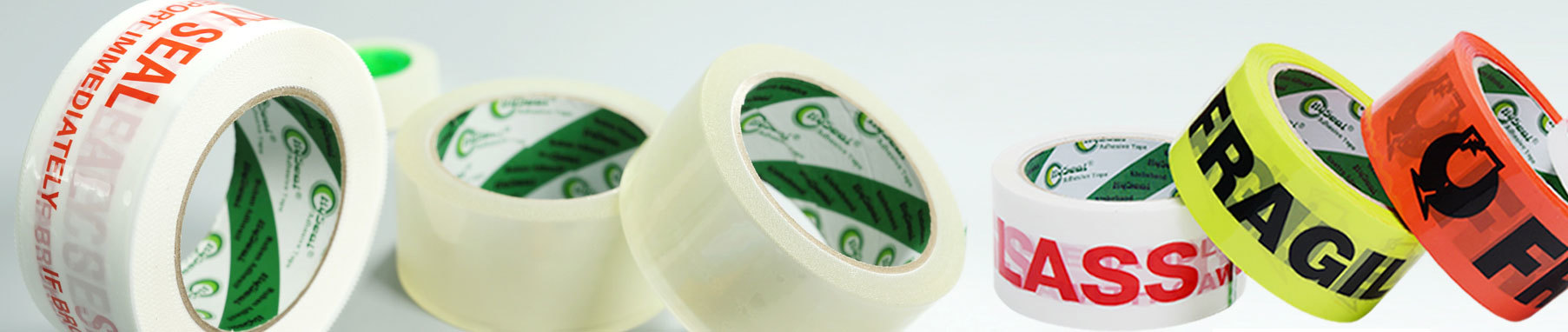
Masking Tape vs. Duct Tape: Which is Better for Your Home Repairs?
Introduction
When it comes to home repairs, having the right tools and materials is essential. Among the indispensable items in any toolbox are masking tape and duct tape. These adhesive tapes have become go-to solutions for a wide range of repair and DIY projects. However, knowing which tape to use for different applications can make a significant difference in the outcome of your project. In this article, we will compare masking tape and duct tape, highlighting their advantages and disadvantages, to help you determine which tape is better for your home repairs.
Table of Contents
1. Understanding Masking Tape
1.1 What is Masking Tape?
1.2 Common Uses of Masking Tape
2. Understanding Duct Tape
2.1 What is Duct Tape?
2.2 Common Uses of Duct Tape
3. Pros and Cons of Masking Tape
3.1 Advantages of Masking Tape
3.2 Disadvantages of Masking Tape
4. Pros and Cons of Duct Tape
4.1 Advantages of Duct Tape
4.2 Disadvantages of Duct Tape
5. Choosing the Right Tape for Your Home Repairs
5.1 Factors to Consider
5.2 Masking Tape or Duct Tape: Which One to Choose?
6. Frequently Asked Questions
6.1 FAQ 1: Can I use masking tape for ductwork repairs?
6.2 FAQ 2: Is duct tape heat resistant?
6.3 FAQ 3: Can I use masking tape for painting?
6.4 FAQ 4: Can I use duct tape for delicate surfaces?
6.5 FAQ 5: Does duct tape leave residue?
Understanding Masking Tape
What is Masking Tape?
Masking tape is a type of adhesive tape made of a thin paper or plastic backing with a relatively weak adhesive. It is easily tearable by hand and commonly available in various widths. Masking tape is primarily used for masking off areas during painting or other tasks where you need to protect certain surfaces from paint, glue, or other substances.
Common Uses of Masking Tape
Masking tape finds its applications in various DIY projects and professional tasks. Some common uses of masking tape include:
1. Painting: Masking off trim, windows, and other areas to achieve clean paint lines.
2. Crafting: Holding materials together temporarily or creating straight lines for precise cuts.
3. Wall Art: Creating geometric patterns or designs on walls.
4. Labeling: Easily removable labels for organizing and identifying items.
5. Temporary Fixes: Holding lightweight objects or repairing small items.
Understanding Duct Tape
What is Duct Tape?
Duct tape, also known as cloth tape, is a strong adhesive tape made of a cloth or reinforced plastic backing coated with a strong adhesive. Originally designed for sealing heating ducts, duct tape has evolved into a versatile tool used for myriad applications.
Common Uses of Duct Tape
Duct tape's strength, durability, and versatility have made it a staple in many toolboxes. Here are some common uses of duct tape:
1. Repairs: Fixing broken items, such as furniture, pipes, or tools.
2. Emergency Repairs: Temporary solutions for leaks, cracks, or other unexpected issues.
3. Outdoor Projects: Creating temporary shelters, repairing camping gear, or securing items.
4. Wiring and Cable Management: Bundling cables and securing them in place.
5. Crafts and DIY Projects: Creating wallets, bags, or other items using duct tape.
Pros and Cons of Masking Tape
Advantages of Masking Tape
- Easy to tear and remove without leaving residue.
- Less sticky adhesive allows for clean removal without damaging surfaces.
- Suitable for delicate surfaces such as wallpapers or freshly painted walls.
- Available in a variety of widths to suit different needs.
Disadvantages of Masking Tape
- Not as durable or waterproof as duct tape.
- May not adhere well to rough or uneven surfaces.
- Not suitable for heavy-duty tasks or repairs.
Pros and Cons of Duct Tape
Advantages of Duct Tape
- Strong and durable adhesive for long-lasting repairs.
- Waterproof and weather-resistant, making it suitable for outdoor applications.
- Sticks well to a wide range of surfaces, including rough or uneven ones.
- Available in various colors and patterns for decorative uses.
Disadvantages of Duct Tape
- Leaves residue when removed, which can be difficult to clean.
- Strong adhesive may damage delicate surfaces or leave marks.
- Not as easily removable as masking tape.
Choosing the Right Tape for Your Home Repairs
Factors to Consider
When deciding between masking tape and duct tape for your home repairs, consider the following factors:
1. Specific Application: Determine the purpose of the tape and the surfaces involved.
2. Durability: Assess the strength and longevity required for the repair or task.
3. Surface Sensitivity: Consider whether the surface is delicate or prone to damage.
4. Environmental Conditions: Take into account factors like moisture, heat, or outdoor exposure.
5. Aesthetics: If appearance matters, opt for a tape that complements the surroundings.
Masking Tape or Duct Tape: Which One to Choose?
Ultimately, the choice between masking tape and duct tape depends on the specific needs of your home repair project. For delicate surfaces or tasks like painting, masking tape's easy removal and gentle adhesive make it the preferred choice. However, for durable and long-lasting repairs, outdoor applications, or situations that require a strong adhesive, duct tape is the better option.
Frequently Asked Questions
FAQ 1: Can I use masking tape for ductwork repairs?
While masking tape may be suitable for temporary repairs, it is not recommended for sealing ductwork due to its weak adhesive and lack of durability. Duct tape is specifically designed for such applications.
FAQ 2: Is duct tape heat resistant?
Duct tape is known for its heat resistance and can withstand high temperatures. However, it is essential to choose a duct tape specifically labeled as heat-resistant for tasks involving extreme heat.
FAQ 3: Can I use masking tape for painting?
Yes, masking tape is commonly used for masking off areas during painting to achieve clean lines. However, always ensure that the tape is suitable for the type of surface and paint being used.
FAQ 4: Can I use duct tape for delicate surfaces?
Duct tape's strong adhesive may damage delicate surfaces or leave residue upon removal. It is recommended to use masking tape for delicate surfaces to avoid any potential damage.
FAQ 5: Does duct tape leave residue?
Duct tape often leaves a sticky residue when removed. Using a solvent or adhesive remover can help remove the residue, but it may require some effort.
Conclusion
In conclusion, both masking tape and duct tape have their unique advantages and disadvantages. Masking tape is ideal for delicate surfaces and tasks like painting, while duct tape excels in durability and strength for long-lasting repairs and outdoor applications. Consider the specific needs of your home repairs and choose the tape that best suits your requirements. By understanding the differences between masking tape and duct tape, you can confidently tackle your home repair projects with the right adhesive tape at hand.
Related Blog
Nwes
Product List
Product Enquiry
 DONGGUAN HYSEAL CO., LTD
 Baolian Ind. Park, Gaobu,
Dongguan 523282,
Guangdong, China +86-769-81300836
 +86-769-81300830
 seven@hyseal.com
