language
English
العربية
বাংলাদেশ
Български
Hrvatski
Česky
Dansk
Nederland
 Esperanto
Slovenski
Filipino
Suomi
Français
Maori
 Shqiptare
Georgian
 Euskara
Deutsch
Ελλάδα
ישראל
इंडिया
Magyarország
Ísland
Indonesia
Irlanda
Italia
日本語
Sovensko
Հայաստան
한국
Kyrgyz
ປະເທດລາວ
 Zulu
Latvian
Lithuanian
Luxembourgish
 Latinus
Macedonian
Малайская
Maltese
Монгол улс
 Cymraeg
ဗမာ
 தமிழ்
नेपाल
Norge
ایران
Polska
Portugal
România
Российская
Србија
 Slovak
Србија
 Slovak
Bosanski
Slovenian
Беларус
España
Sverige
Точик
ประเทศไทย
Türk
Azərbaycan
Uzbek
 Afrikaans
Việt Nam

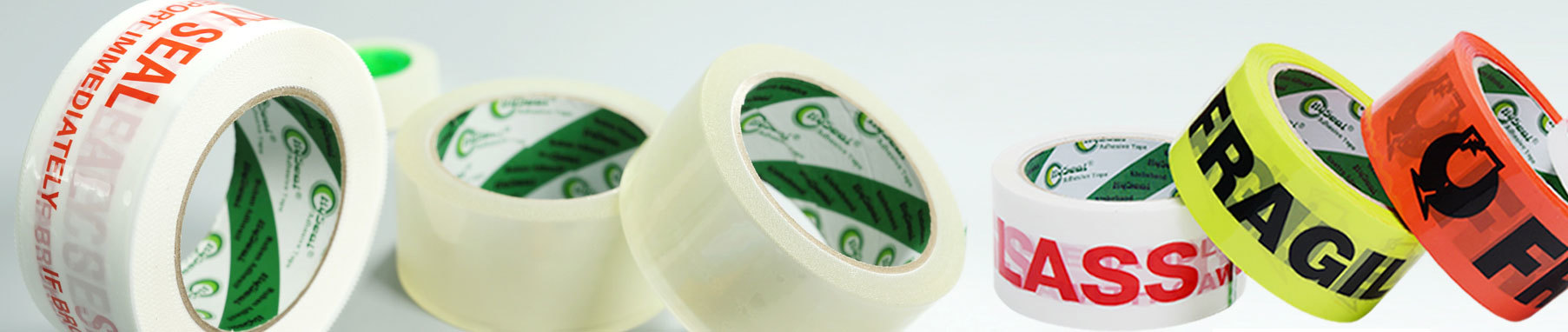
A Comprehensive Guide to Masking Tape in the Light Industrial Supplies Industry
Introduction:
Masking tape is a versatile tool widely used in the light industrial supplies industry, particularly in the labeling, adhesive products, and related sectors. This comprehensive guide aims to explore the various applications and benefits of masking tape, shedding light on its importance and potential uses in different settings.
1. Understanding Masking Tape:
Masking tape is a type of pressure-sensitive tape made from a thin and easy-to-tear paper. It features a light adhesive coating on one side, allowing it to be easily applied and removed without leaving residue or damaging surfaces. The tape's ability to adhere to a wide range of materials makes it a valuable asset in numerous industries.
2. Versatility in Labeling:
Masking tape plays a crucial role in labeling applications. It provides a temporary yet secure attachment for labels during transportation, storage, or display. Whether it is for inventory management, shipping, or organizing products, masking tape offers a reliable labeling solution that can be easily removed without causing any damage.
3. Efficient Paint Job Preparation:
In painting processes, masking tape is an indispensable tool for achieving clean and precise edges. It allows painters to protect specific areas from paint splatters or spills. Additionally, masking tape enables multiple color applications and intricate designs by providing boundaries and separation between different sections.
4. Enhancing DIY Projects:
For individuals engaging in do-it-yourself projects, masking tape is an invaluable asset. Its versatility makes it suitable for various applications such as holding objects together, marking measurements, or creating stencils. Whether you're working on woodworking, crafting, or home improvement projects, masking tape can provide assistance and precision.
5. Supporting Industrial Assembly:
The light industrial supplies industry heavily relies on masking tape for assembly and fabrication purposes. It aids in securing components temporarily during the assembly process, ensuring accurate alignment and minimizing errors. The tape's gentle adhesive properties and easy removability make it an ideal choice for these applications.
6. Temporary Surface Protection:
Masking tape also acts as a temporary protective barrier. It can safeguard surfaces from scratches, scuffs, or minor damages during transportation, handling, or construction work. By applying masking tape to vulnerable areas, valuable items can remain protected until they reach their destination or receive further processing.
Conclusion:
Masking tape is a valuable tool in the light industrial supplies industry, finding applications in labeling, painting, DIY projects, assembly, and surface protection. Its flexibility, ease of use, and gentle adhesive properties make it a go-to choice for professionals and individuals alike. Embrace the power of masking tape and unlock its potential to enhance your daily tasks, streamline processes, and ensure efficiency in your industry.
Related Blog
Nwes
Product List
Product Enquiry
 DONGGUAN HYSEAL CO., LTD
 Baolian Ind. Park, Gaobu,
Dongguan 523282,
Guangdong, China +86-769-81300836
 +86-769-81300830
 seven@hyseal.com
